Inventory Control Management Explained: Importance, Benefits, and Best Practices
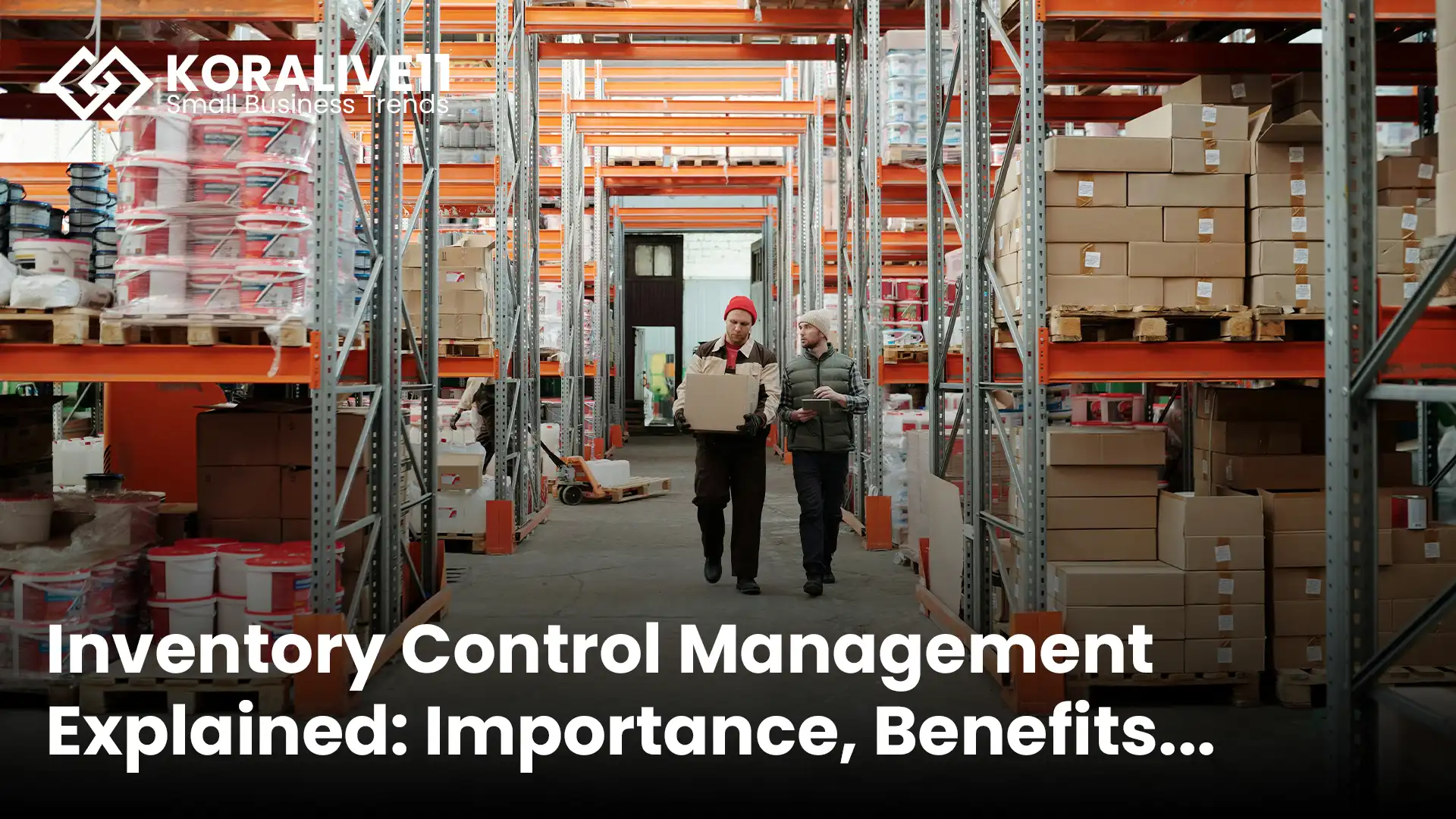
Inventory control management is a vital business function that oversees inventory throughout its lifecycle—from purchasing and storage to tracking and reordering. Its importance lies in maintaining optimal stock levels, helping businesses avoid unnecessary costs from excess inventory or product shortages. When managed properly, inventory control supports stronger profitability and smoother operations while ensuring products are readily available to satisfy customer demand. Understanding the essential elements and challenges of inventory control enables businesses to adopt more innovative strategies that improve overall performance. How does your company currently manage inventory levels?
Key Takeaways
Warehouse manager presenting inventory data to staff
- Inventory control management oversees purchasing, storage, monitoring, and replenishment to maintain balanced stock levels.
- It improves operational efficiency and profitability by reducing losses from overstocking and stockouts.
- Accurate forecasting and technology integration increase inventory visibility and reduce discrepancies.
- Strong inventory control protects working capital and strengthens customer loyalty through consistent product availability.
- Poor inventory management costs the retail industry billions of dollars annually, underscoring the financial value of effective control systems.
What Is Inventory Control Management?

Warehouse inventory operations
Inventory control management refers to the systematic supervision of inventory across multiple stages, including procurement, warehousing, monitoring, and replenishment. Its goal is to maintain appropriate stock levels that align with business demand while limiting costs associated with excess inventory or shortages.
Unlike broader inventory management, inventory control procedures emphasize accuracy, visibility, and efficiency throughout the inventory lifecycle. By applying warehouse inventory control techniques—such as barcode tracking, inventory software, or even manual systems—businesses can significantly improve inventory accuracy and operational reliability.
Ultimately, effective inventory control directly influences financial performance by aligning inventory turnover with sales cycles, improving cash flow, and increasing profitability while potentially saving substantial operational costs.
Why Inventory Control Matters?

Female engineer reviewing inventory using a tablet
Understanding the importance of inventory control is essential for businesses seeking higher efficiency and profitability. Proper inventory oversight minimizes financial risks, enhances customer satisfaction, and supports long-term sustainability.
Cost Reduction Strategies
Inventory control plays a significant role in reducing unnecessary expenses. Overstocking and stockouts together cost the retail industry approximately $112 billion each year. Maintaining ideal inventory levels lowers holding costs and prevents capital from being tied up in unsold goods.
Using inventory management systems reduces labor costs and streamlines handling processes. Real-time tracking enables businesses to respond quickly to changes in customer demand, minimizing missed sales—especially important, since 62% of customers stop purchasing from companies that experience frequent stockouts.
Balanced inventory levels also reduce losses caused by spoilage, obsolescence, and expired products.
Improving Operational Efficiency
Maintaining the proper inventory levels improves daily business operations and customer satisfaction. Effective inventory control management delivers the following benefits:
- Reduces waste from excess or unsold stock
- Frees up cash flow for reinvestment and growth
- Prevents product shortages that frustrate customers
- Enables rapid response to market demand changes
- Ensures a healthy balance between supply and demand
Risk Mitigation Techniques
Inventory control is also a robust risk management tool. Poor stock availability leads to lost sales, with over 60% of customers abandoning brands after repeated stockouts. Excess inventory, on the other hand, increases the risk of spoilage and depreciation.
Accurate inventory records help reduce shrinkage, which costs retailers billions annually. Real-time tracking systems further improve accuracy and responsiveness, allowing businesses to adapt quickly to changes in demand while maintaining stable inventory levels.
Key Components of Inventory Control
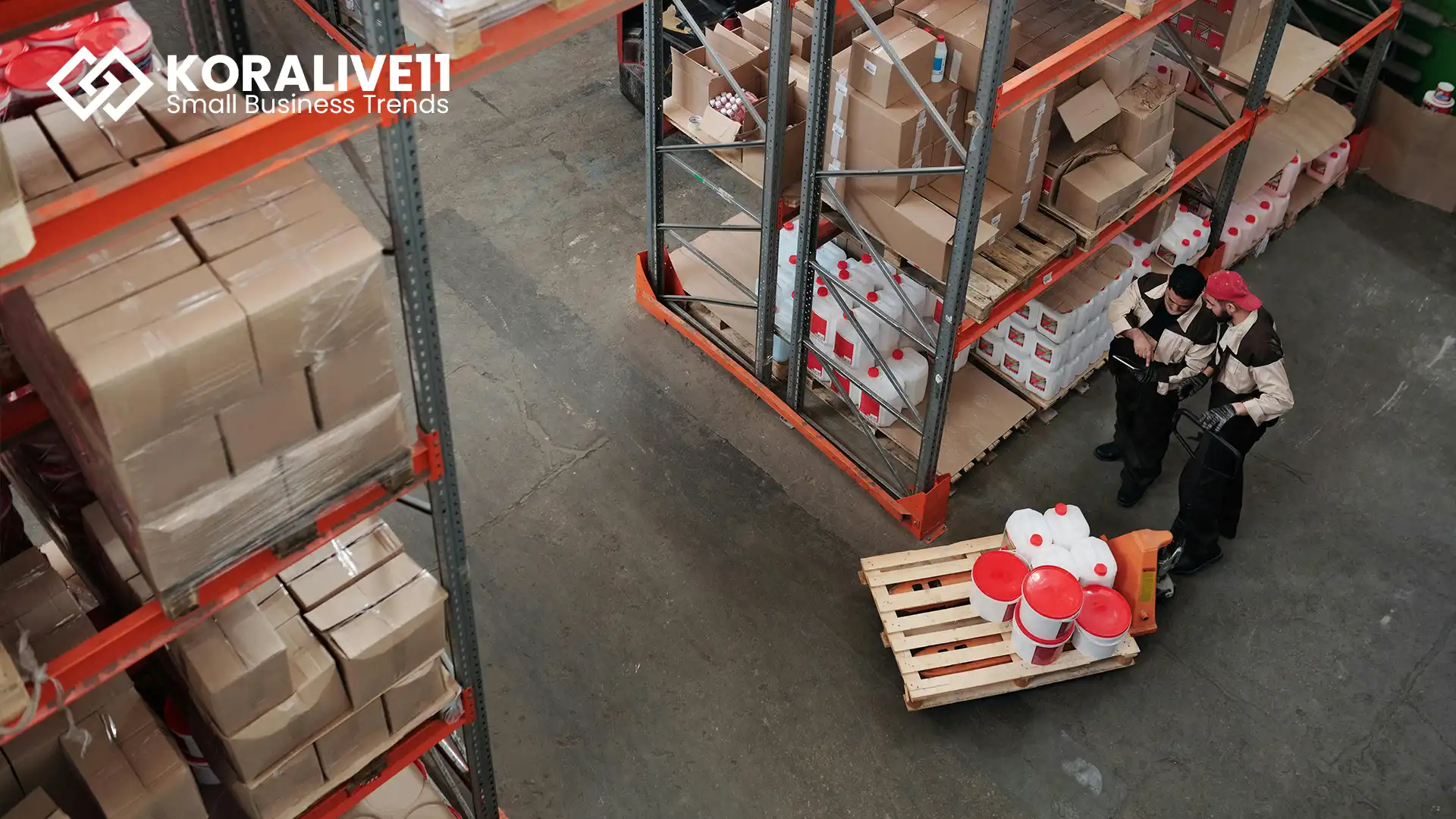
Scientist managing greenhouse inventory digitally
Effective inventory control relies on several essential components working together:
- Accurate demand forecasting to reduce shortages and surpluses
- Technology integration through inventory software and tracking systems
- Regular audits to identify discrepancies and minimize shrinkage
- Clearly defined reorder points to prevent sudden stock depletion
- Safety stock levels to handle unexpected demand fluctuations
Together, these elements help businesses maintain consistency and profitability.
Challenges in Inventory Control

Warehouse staff reviewing container inventory
Inventory control presents several challenges that require constant attention.
Balancing Supply and Demand
Insufficient inventory leads to lost sales, while excess stock ties up capital. Strategies such as Just-In-Time (JIT) inventory help synchronize stock levels with real demand. Real-time tracking also allows businesses to respond quickly to changes and protect customer loyalty.
Data Accuracy Issues
Inaccurate inventory data often leads to overstocking or shortages. Manual tracking increases the risk of errors, while disconnected systems fail to reflect real-time changes. Regular reconciliations and audits are essential to maintain accurate records.
Cost Management Challenges
Poor inventory control can trap up to 30% of business capital in unsold goods. Additional risks include shrinkage, spoilage, and unnecessary storage costs. Addressing these issues is crucial for financial stability and long-term success.
Benefits of Effective Inventory Management
Warehouse worker conducting inventory review
Well-managed inventory systems offer measurable benefits. Accurate tracking reduces shrinkage, which costs retailers billions annually. Preventing stockouts preserves customer loyalty, while avoiding overstock reduces waste and obsolescence.
Effective inventory control also boosts warehouse efficiency, lowers carrying costs, and provides real-time visibility, enabling faster, data-driven decisions that improve profitability.
Types of Inventory Control Systems
Warehouse staff checking stock
Inventory control systems vary depending on business size and complexity:
- Manual systems for small-scale operations
- Automated systems using inventory software
- Stock cards for detailed product tracking
- Barcode systems for fast and accurate monitoring
- Full inventory management platforms for reporting and forecasting
Choosing the right system ensures accuracy and efficiency.
Inventory Control Methods
Carpenter inspecting lumber inventory
Businesses use various inventory control methods to maintain optimal stock levels. Manual tracking suits small businesses, while automated systems improve speed and accuracy. Stock cards provide detailed cost tracking, and barcode systems minimize human error.
Periodic inventory counts validate accuracy, while methods like JIT and EOQ align inventory purchases with actual demand, reducing holding costs and improving financial health.
Inventory Control Techniques
Digital inventory management in a warehouse
Standard inventory control techniques include:
- Just in Time (JIT) to reduce waste
- Economic Order Quantity (EOQ) for cost-efficient ordering
- Barcode tracking for improved accuracy
- Regular inventory counts to detect discrepancies
- FIFO and LIFO methods to manage turnover and spoilage
These techniques help businesses maintain efficiency and control.
Best Practices for Inventory Control
Manager reviewing warehouse stock
Implementing best practices improves overall inventory performance:
| Best Practice | Benefit |
|---|---|
| Barcode systems | Reduce errors and speed tracking |
| Regular audits | Maintain inventory accuracy |
| Stock thresholds | Prevent overstock and shortages |
Training employees and using forecasting tools further strengthen inventory control.
Technology’s Role in Inventory Control
Shop owner managing stock digitally
Technology enhances inventory control through automation, greater accuracy, and faster processing.
Automation in Inventory Management
Automated systems reduce errors, streamline processes, and improve forecasting accuracy. Technologies such as RFID and barcode scanning can raise inventory accuracy to above 99%.
Real-Time Data Tracking
Real-time tracking enables immediate stock adjustments, trend analysis, and improved order fulfillment—boosting customer satisfaction by up to 30%.
Supply Chain Integration
Integrating inventory systems with supply chains improves visibility, reduces delays, and supports cost savings, as demonstrated by large retailers like Walmart.
Managing Customer Demand Through Inventory Control
Small business owner preparing deliveries.
Accurate inventory control ensures product availability and prevents missed sales. Real-time tracking allows businesses to respond quickly to customer needs, preventing stockouts and maintaining customer loyalty.
Maintaining Supply Chain Efficiency
Retail worker reviewing inventory
Inventory control supports efficient supply chains by preventing shortages, minimizing excess stock, and ensuring smooth procurement and replenishment processes.
Strategies to Avoid Overstock
Monitor Sales Trends
Analyzing sales data helps identify slow-moving items, seasonal demand, and reorder timing.
Implement Stock Thresholds
Minimum and maximum stock levels prevent excess inventory, reduce waste, and improve turnover rates.
Improving Inventory Quality
Warehouse inventory inspection
High-quality inventory control reduces damage, improves tracking accuracy, and enhances customer trust. Technologies like RFID and real-time monitoring help detect issues early and maintain product integrity.
Frequently Asked Questions
What is inventory control, and why is it important?
Inventory control ensures balanced stock levels, preventing shortages and excess inventory while improving cash flow and customer satisfaction.
Why is inventory management critical?
It minimizes losses, improves operational efficiency, and supports business growth by aligning stock with demand.
What are the main objectives of inventory control?
Maintaining optimal stock levels, reducing holding costs, and preventing stockouts.
What is inventory management in simple terms?
It’s the process of tracking and controlling goods to meet demand while minimizing costs.
Conclusion
Warehouse staff reviewing stock data
In summary, inventory control management is essential for maintaining optimal stock levels, reducing costs, and meeting customer demand. By understanding its components, overcoming challenges, and applying best practices, businesses can improve efficiency, protect financial resources, and enhance overall performance. Mastering inventory control is a cornerstone of sustainable business success.