Innovative Low-Tech Business Ideas for Sustainable Success

Key Takeaways
- Low-Tech Business Ideas Are Highly Viable: Simple business models can be profitable while requiring minimal investment and technology.
- Low Startup Costs: Many low-tech ventures rely on existing skills and basic tools, making them affordable to launch.
- Flexible and Scalable: These businesses allow flexible schedules and can grow steadily through strong customer relationships.
- Community-Focused Opportunities: Popular low-tech ideas often serve local needs and emphasize trust, reliability, and personal interaction.
- Traditional Marketing Still Works: Word of mouth, local networking, and printed materials remain powerful promotional tools.
- Niche Selection Is Key: Success depends on choosing a niche that aligns personal strengths with local market demand.
Introduction
In an era dominated by digital platforms and advanced technology, low-tech business ideas are often underestimated. However, simplicity can be a decisive advantage. Low-tech businesses typically involve lower risk, reduced overhead costs, and stronger connections with local communities.
These ventures focus on providing practical solutions and personalized services that customers genuinely value. Whether you’re crafting handmade products, offering essential services, or teaching valuable skills, low-tech businesses provide a sustainable and rewarding path to entrepreneurship.
Overview of Low-Tech Business Ideas

Low-tech business ideas emphasize simplicity, affordability, and human connection. They are ideal for entrepreneurs who want to start small while maintaining control over their operations.
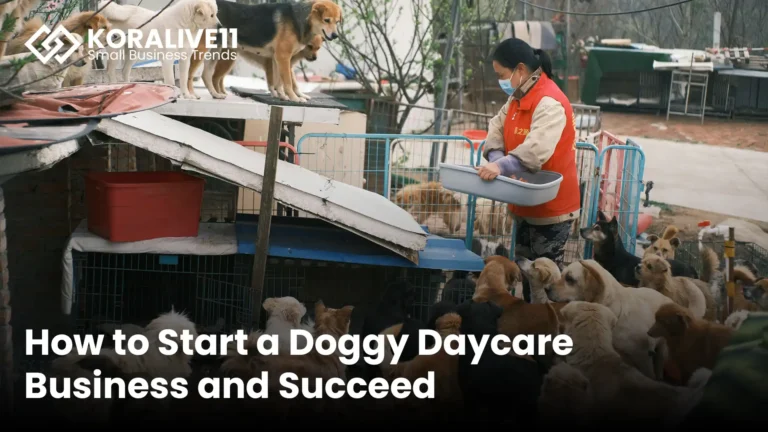
Product-based businesses, such as handmade crafts or custom goods, allow entrepreneurs to showcase creativity while building a recognizable brand. Service-based companies, including cleaning, gardening, or pet care, thrive on trust and consistent quality rather than advanced technology.
Food-related ventures like home baking, catering, or food stalls also fall under the low-tech category. These businesses benefit from local demand and personal recommendations. Regardless of the idea, success depends on precise planning, compliance with local regulations, and consistent customer service.
Benefits of Low-Tech Business Ideas

Cost-Effectiveness
Low-tech businesses typically require little capital to start. Many can be launched using basic tools, existing resources, or home-based setups. Examples include tutoring, home cleaning, lawn care, or handmade crafts. This affordability reduces financial risk and makes entrepreneurship more accessible.
Flexibility and Scalability
One of the most substantial advantages of low-tech businesses is flexibility. Entrepreneurs can choose their working hours and gradually expand as demand increases. Growth may involve hiring help, expanding service areas, or offering additional products. By conducting regular market research and listening to customer feedback, businesses can scale sustainably without overwhelming resources.
Popular Low-Tech Business Ideas

Handmade Crafts
Handmade crafts offer a creative and personal business opportunity. Activities such as tailoring, custom sewing, woodworking, or handmade jewelry require basic equipment and artistic skill. Selling at local markets or through direct customer orders helps build strong relationships and brand recognition.
Gardening Services
Gardening and landscaping services meet ongoing local demand. These services may include lawn care, planting, pruning, or basic landscape design. With a solid service plan and consistent quality, gardeners can quickly grow their client base through referrals and repeat customers.
Home Cleaning Services
Home cleaning is one of the most accessible low-tech businesses. It requires minimal supplies and offers immediate demand from busy households. Strong attention to detail, reliability, and customer satisfaction are essential for long-term success.
Tutoring and Educational Services
Tutoring is ideal for individuals with academic or professional expertise. Services can be offered in person or online, depending on local needs. Success in this field relies on reputation, trust, and measurable results for students.
Tips for Starting a Low-Tech Business
Identify the Right Niche
Choosing the right niche is essential. Start by assessing your skills, interests, and local market needs. Research competitors and identify gaps in services or products. A focused niche helps you stand out and attract the right customers.
Build a Strong Customer Base
Customer relationships are the foundation of low-tech businesses. Networking within your community, providing excellent service, and encouraging referrals are key strategies. Traditional marketing methods such as flyers, local advertising, and word of mouth remain highly effective. Consistent follow-up and personalized communication improve customer retention and loyalty.
Conclusion
Low-tech business ideas offer a practical and sustainable alternative to high-tech entrepreneurship. By focusing on simplicity, affordability, and community engagement, these businesses can thrive even in a technology-driven world.
With thoughtful planning, strong customer relationships, and a commitment to quality, low-tech ventures can deliver long-term success. Embracing a low-tech approach allows entrepreneurs to build meaningful businesses that are both profitable and deeply connected to their communities.
Frequently Asked Questions
What are low-tech business ideas?
Low-tech business ideas are ventures that rely on minimal technology and focus on services or products driven by personal skills and community needs.
Can I start a low-tech business with little money?
Yes. Many low-tech businesses require minimal investment and can be started from home using basic tools.
What are typical examples of low-tech businesses?
Examples include cleaning services, gardening, tutoring, handmade crafts, and small food businesses.
How do I market a low-tech business effectively?
Community networking, referrals, flyers, and social media engagement are effective ways to promote low-tech businesses.
How can I ensure long-term sustainability?
Focus on customer satisfaction, manage cash flow carefully, adapt to market feedback, and explore gradual growth opportunities.