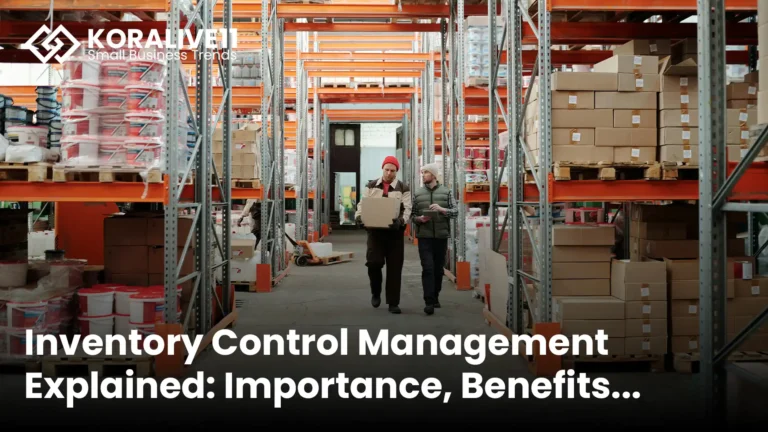
Service Inventory Management: Importance, Benefits, and Best Practices

Service Inventory Management and Why It Matters
Service inventory management is a vital process that ensures the right materials, tools, and resources are available to deliver services efficiently. It focuses on maintaining the correct balance between supply and demand, helping businesses avoid shortages or excess stock that can interrupt operations. Understanding how service inventory works, along with its benefits and challenges, can significantly improve operational performance, customer satisfaction, and long-term profitability.
Key Takeaways
Warehouse staff organizing inventory items on shelves
- Service inventory management controls the resources required to deliver services efficiently and cost-effectively.
- It helps prevent stock shortages and excess inventory, supporting smooth daily operations.
- Proper management improves customer satisfaction by ensuring timely service delivery.
- Automation and real-time tracking can reduce inventory errors by nearly half.
- Ongoing monitoring and improvement support better planning and operational decisions.
Understanding Service Inventory Management

Warehouse employees reviewing inventory levels
Service inventory management involves planning, tracking, and controlling the materials required to perform services, including tools, spare parts, and consumables. Unlike product inventory, service inventory directly affects service speed and reliability.
Effective management reduces unnecessary stock while ensuring technicians and service teams always have what they need. Modern systems often rely on automated tracking, real-time visibility, and data-driven reordering to improve accuracy.
Organizations that adopt structured service inventory practices often experience lower operating costs, faster response times, and improved customer loyalty. Industry insights suggest that strong inventory management can reduce inventory-related expenses by up to 30% while enhancing overall service quality.
The Importance of Service Inventory Management

Logistics employee conducting a stock review.
Understanding the value of service inventory management is essential for improving both financial performance and service quality. When inventory is aligned with actual demand, businesses can operate more efficiently and respond faster to customer needs.
Cost Reduction Strategies
Managing service inventory effectively helps control costs by reducing excess stock and minimizing storage, insurance, and waste-related expenses. Approaches such as Just-in-Time (JIT) ordering align purchases with real demand, limiting unnecessary inventory buildup.
Accurate forecasting tools and predictive analytics also help avoid emergency purchases and last-minute shipping costs. Additionally, organized inventory systems reduce labor inefficiencies, allowing staff to focus on productive, service-related tasks.
Operational Efficiency Gains
Well-managed service inventory improves efficiency across operations. When tools and materials are readily available, service completion times can decrease by up to 30%, leading to quicker resolutions and improved customer satisfaction.
Automated inventory systems reduce manual errors by roughly 50%, while advanced data analysis supports better inventory turnover and cash flow management. These improvements help organizations operate more smoothly and adapt quickly to changing service demands.
Key Components of Service Inventory

Employee managing inventory with a tablet
Successful service inventory management relies on two essential components: accurate tracking and effective replenishment planning.
Inventory Tracking Methods
Reliable tracking systems enable organizations to monitor inventory movement and availability in real time. Key methods include:
- Real-time tracking using barcodes or RFID
- Automated inventory platforms that manage stock levels
- Historical usage analysis to anticipate demand
- Regular audits and cycle counts to ensure accuracy
- Centralized visibility across locations
These methods help reduce downtime, control costs, and improve service reliability.
Reorder Level Strategies
Reorder level strategies define the inventory point at which new stock should be ordered. These thresholds account for lead times, usage rates, and safety stock to protect against demand fluctuations.
Including safety stock ensures service continuity during delays or unexpected demand spikes. Regular reviews based on performance data and market trends keep reorder levels aligned with actual needs, preventing both shortages and excess inventory.
Benefits of Effective Service Inventory Management
Store employee checking stock during busy hours.s
Implementing structured service inventory management offers multiple advantages, including:
- Improved operational efficiency and reduced technician downtime
- Lower inventory holding costs, often reduced by 20–30%
- Higher customer satisfaction due to faster service delivery
- Increased inventory turnover and better demand responsiveness
- Enhanced forecasting and more intelligent purchasing decisions
These benefits contribute to more stable operations and stronger financial performance.
Challenges in Service Inventory Management
Warehouse staff using digital inventory systems
Despite its advantages, service inventory management presents several challenges. Balancing supply and demand remains difficult, as excess stock increases costs while shortages can disrupt service delivery.
Managing diverse tools and spare parts across multiple locations adds complexity, especially in field service environments. Inaccurate demand forecasts can result in overstocking or missed service opportunities.
Additionally, perishable items or specialized equipment require precise tracking, and high carrying costs can impact profit margins if inventory is not optimized.
Best Practices for Managing Service Inventory
Employees using inventory management software
To manage service inventory effectively, businesses should adopt the following best practices:
- Implement real-time inventory tracking systems
- Use automated reordering to maintain optimal stock levels
- Apply barcode or RFID technology for visibility
- Define reorder points based on historical usage
- Monitor inventory performance metrics regularly
- Review carrying costs and eliminate inefficiencies
These practices support accuracy, responsiveness, and long-term efficiency.
Frequently Asked Questions
Business owner reviewing inventory records
What Is Service Inventory Management?
Service inventory management is the control of the materials and tools required to deliver services. It ensures resources are available when needed, reducing delays and improving service outcomes through better tracking and planning.
What Is Inventory Management and Why Is It Important?
Inventory management oversees the ordering, storage, and use of materials and products. It is essential because it prevents shortages and excess stock, improves cash flow, and helps businesses respond efficiently to market changes.
What Is the Purpose of Service Level Inventory Management?
The goal is to maintain inventory levels that meet customer demand without unnecessary costs. This approach improves service reliability, reduces carrying expenses, and supports profitability while allowing flexibility as demand changes.
What Is an Example of Service Inventory?
Examples include spare parts used for equipment maintenance, tools for field service technicians, or digital assets such as software licenses. Maintaining these resources ensures uninterrupted service and better customer experiences.
Conclusion
Warehouse manager overseeing inventory operations
In conclusion, service inventory management plays a critical role in maintaining service reliability and operational efficiency. By applying best practices, leveraging technology, and continuously monitoring performance, businesses can avoid stock shortages and excess inventory. Understanding its components and challenges enables better decision-making, improved customer satisfaction, and stronger overall business performance.