Handicap Parking Signs Explained: Rules, Importance, and Compliance

Key Takeaways
- Accessibility Matters: Accessible parking signs ensure individuals with disabilities can easily identify and access designated parking spaces.
- Legal Compliance Is Essential: Following accessibility regulations helps prevent fines and demonstrates social responsibility.
- Visibility and Placement Are Critical: Proper sign design, contrast, and placement improve usability, especially in low-light conditions.
- Misuse Must Be Addressed: Preventing improper use of handicap spaces protects access for those who genuinely need it.
- Education Improves Experience: Training staff and raising public awareness enhances compliance, customer satisfaction, and brand trust.
Introduction
Finding accessible parking can be challenging, especially for individuals with disabilities. Accessible parking signs play a vital role in solving this problem by clearly identifying reserved spaces and ensuring equal access to public and private facilities.
Beyond their visual symbols, these signs represent a commitment to inclusivity, safety, and legal responsibility. Understanding their purpose, design requirements, and regulatory standards allows businesses and communities to create environments that welcome everyone. Whether you manage a commercial property or want to promote accessibility in your neighborhood, learning about accessible parking signs is an essential step toward positive change.
Overview of Handicap Parking Signs
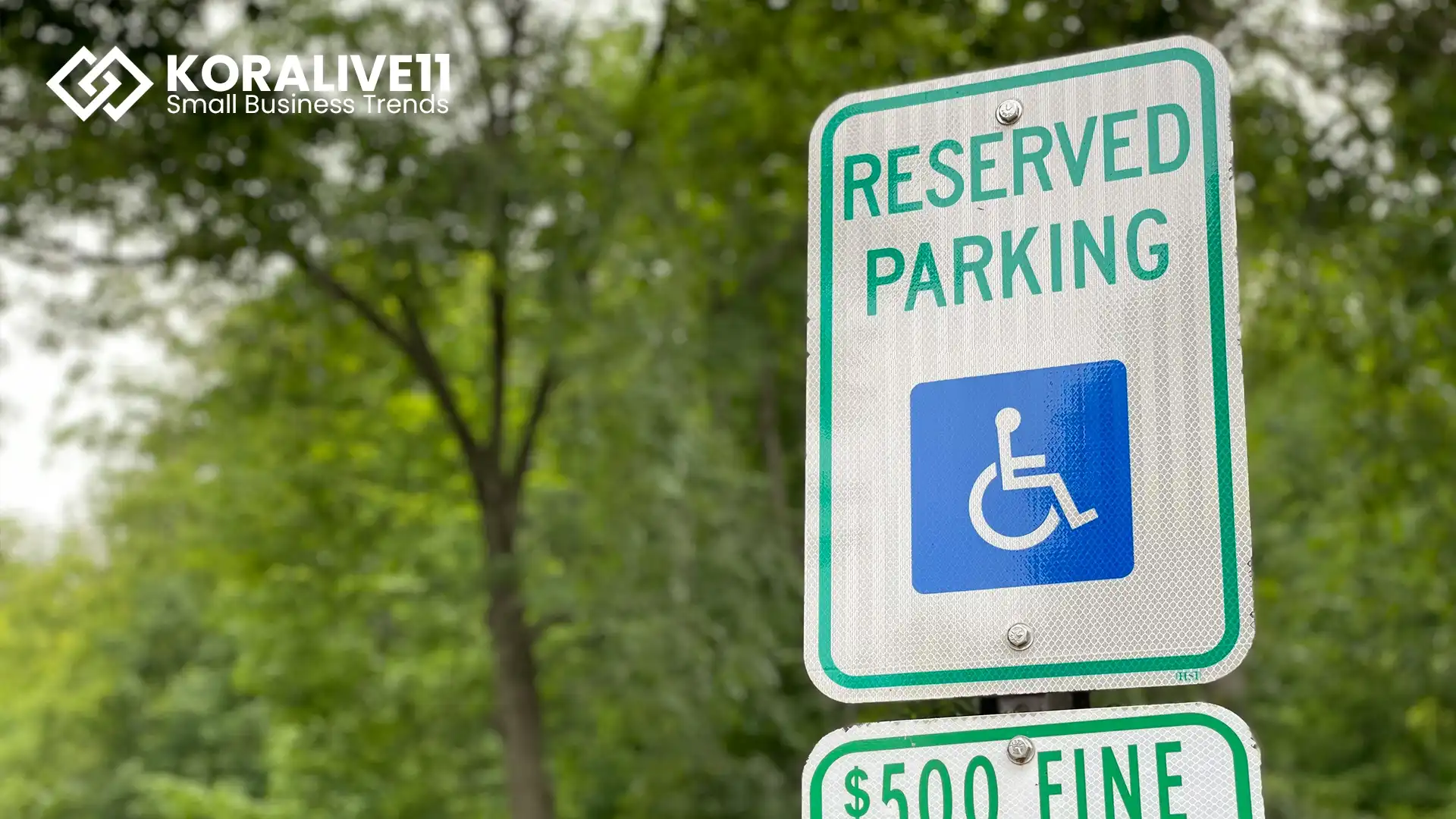
Accessible parking signs designate parking spaces reserved for individuals with disabilities. These signs ensure that accessible spaces are easy to locate and remain available for those who need them most.
Regulations governing accessible parking signs vary by location but generally specify requirements for sign size, placement, and visibility. Businesses and property owners must understand local accessibility laws to remain compliant and avoid penalties.
Proper signage also communicates respect and inclusion. Clear, visible signs send a strong message that accessibility is a priority, helping businesses attract and retain a broader customer base while strengthening their reputation within the community.
Importance of Handicap Parking Signs
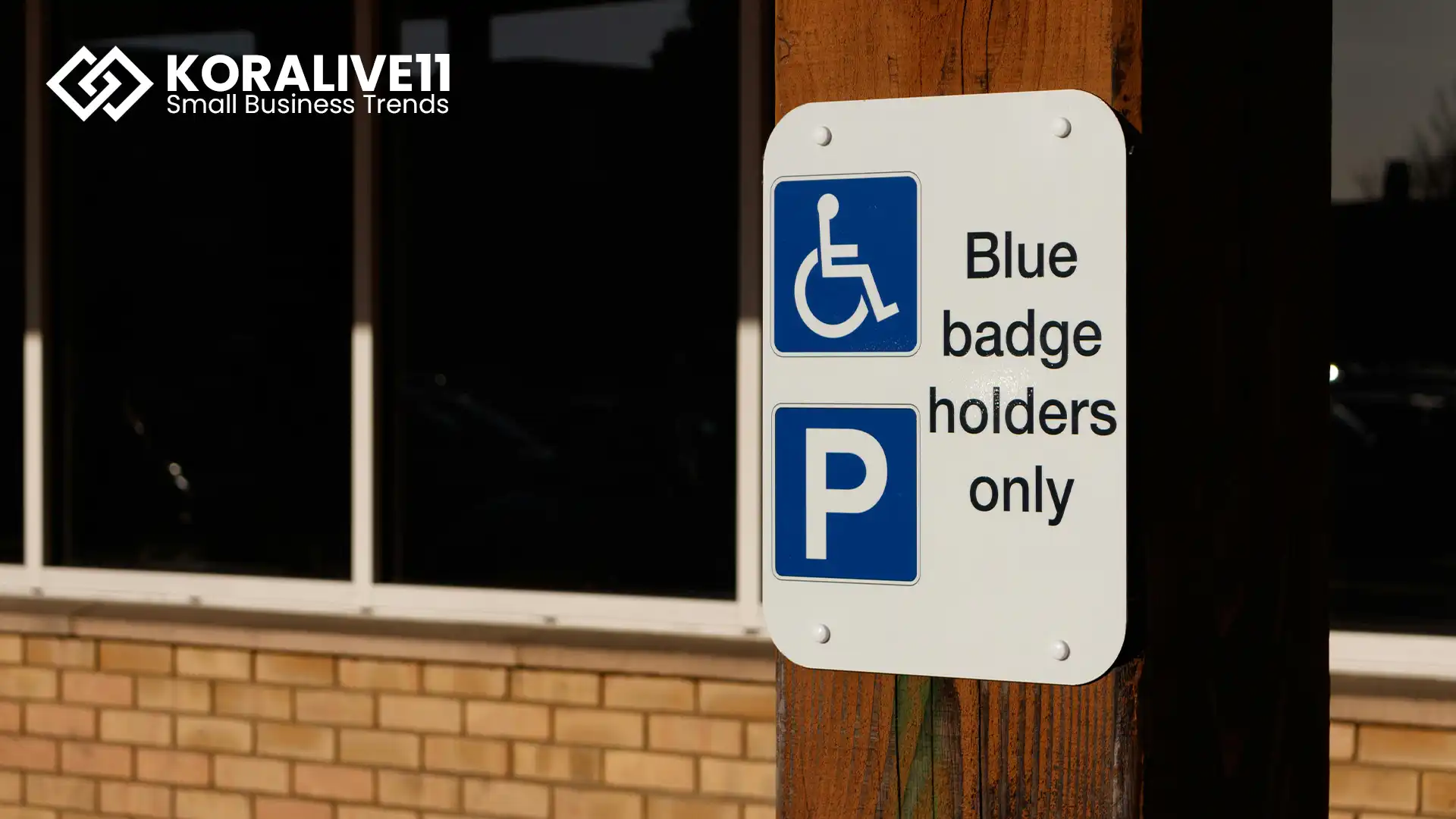
Legal Requirements
Compliance with accessibility regulations is a legal obligation in many regions. These laws typically require accessible parking signs to display standardized symbols, meet minimum size requirements, and be installed at a specific height. Failure to comply may result in fines, legal action, or reputational damage.
By following these standards, businesses demonstrate responsibility and commitment to equal access, thereby enhancing trust among customers and stakeholders.
Accessibility Considerations
Accessibility goes beyond legal compliance—it directly impacts the daily lives of individuals with mobility challenges. Accessible parking spaces should be located close to building entrances and clearly marked to minimize barriers.
Using high-contrast colors and universally recognized symbols improves visibility, especially at night or in crowded parking areas. When signs are easy to see and understand, they improve the overall customer experience and ensure that accessible parking fulfills its intended purpose.
Design and Features of Handicap Parking Signs
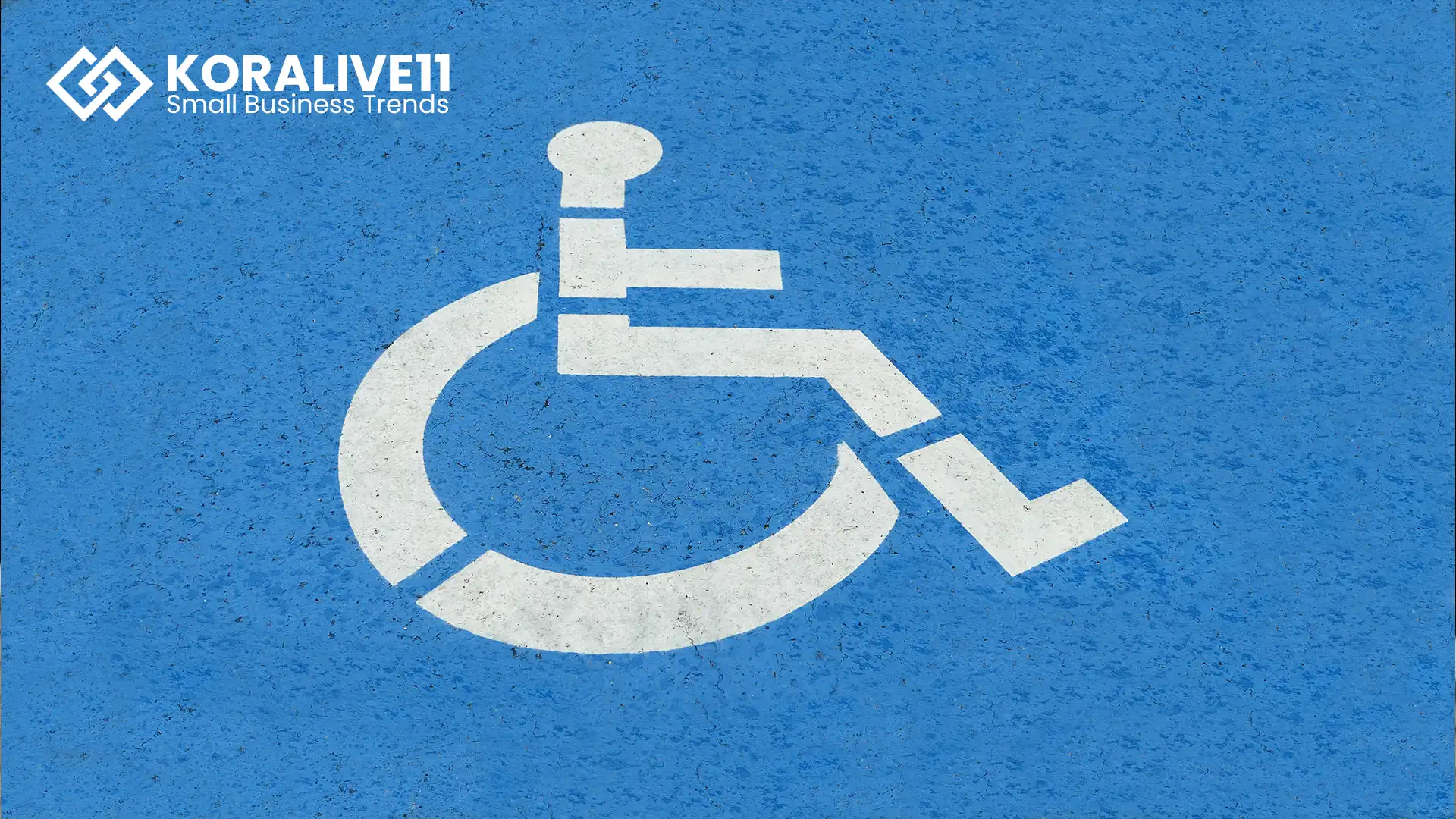
Symbolism and Color Standards
Accessible parking signs typically feature a universally recognized accessibility symbol, commonly displayed in white against a blue background. This standardized design ensures quick recognition and consistency across locations.
Maintaining this visual clarity helps drivers easily identify designated spaces while reinforcing compliance with accessibility standards.
Placement and Visibility
Correct placement is essential for effectiveness. Signs should be mounted at eye level and positioned so they remain unobstructed by vehicles, landscaping, or other objects.
Standard signs must meet minimum size requirements to ensure legibility from a distance. For spaces designed to accommodate larger vehicles, additional labeling is often required to indicate enhanced accessibility features. Proper placement and sizing ensure that all users can quickly locate and use designated spaces.
Common Challenges with Handicap Parking Signs

Misuse of Handicap Parking Spaces
One of the most common issues is the improper use of accessible parking spaces by drivers without valid permits. This misuse reduces availability for those who genuinely need accessible parking, creating frustration and exclusion.
Regular monitoring, clear signage, and enforcement policies help deter misuse and protect these essential spaces. Establishing visible consequences for violations reinforces the importance of compliance.
Lack of Awareness
Many accessibility issues arise from a lack of understanding rather than intentional misuse. Some drivers are unaware of parking regulations or the impact of occupying accessible spaces without authorization.
Educating staff, customers, and the broader community about accessibility rules improves compliance. Informational signage, staff training, and public awareness efforts can foster a more respectful and inclusive environment.
Conclusion
Accessible parking signs are more than regulatory requirements—they are essential tools for promoting accessibility, dignity, and inclusion. Properly designed and placed signs ensure that individuals with disabilities can access facilities safely and independently.
By understanding regulations, addressing misuse, and prioritizing education, businesses and property owners can create welcoming environments that serve everyone. Investing in accessible parking signage not only ensures compliance but also strengthens community trust and enhances the overall customer experience.
Frequently Asked Questions
What is the purpose of accessible parking signs?
They identify designated parking spaces for individuals with disabilities, ensuring equal access and convenience.
Are accessible parking signs legally required?
Yes, most jurisdictions require them as part of accessibility regulations, including standards for size, placement, and visibility.
Why is visibility important for these signs?
Clear visibility ensures accessible spaces are easily located, especially in busy or low-light conditions.
How can businesses prevent misuse of handicap spaces?
Regular monitoring, clear policies, and education help discourage unauthorized use and protect access.
What is the standard symbol used on accessible parking signs?
A universally recognized accessibility symbol is used to ensure consistency and easy identification.
Do sign dimensions matter?
Yes, signs must meet minimum size requirements to remain legible and practical for all users.